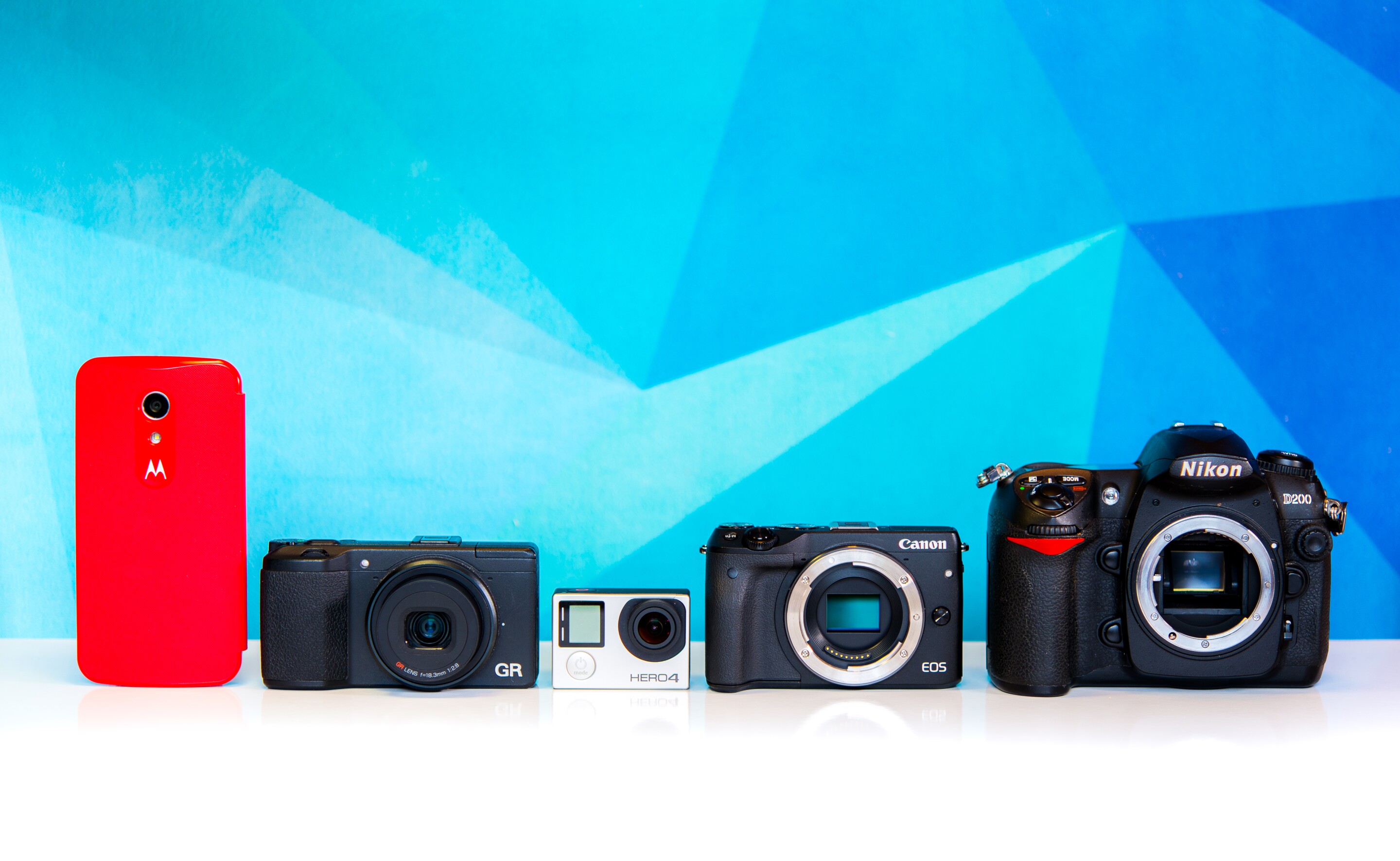
Finding the right camera can be a bit confusing if you’re not sure what to look for. Megapixels are Click here meaningless as a way to tell a good camera from a rubbish one. So how do you know? There are a few of types of camera to consider, each with a different level of complexity.
Compact digital cameras (basic) are small and portable, and usually an all-in-one automatic kind of deal – particularly good for casual or basic use. They sacrifice advanced features and some picture quality for compactness and simplicity. However, improved camera performance in smartphones has mostly killed this market.
Compact digital cameras (advanced) are built to a higher standard and pack some DSLR features into a smaller form factor. Better quality components and basic manual controls give you a lot more flexibility when shooting.
Ultra zoom cameras cameras are often more expensive, and have all the features of a compact, but have some advanced features as well. They’re often a bit bulkier, and a good option for someone around the intermediate point in the market. Sometimes these models are also called “bridge cameras” as they are a transition from a basic compact camera to a more sophisticated DSLR (see below).
DSLR (digital single-lens reflex) cameras are the traditional things you think of when you see the word “camera.” Detachable lenses can be swapped out depending on how you want to shoot, they allow full auto or manual control and bodies typically have much larger image sensors. They also have a physical shutter and mirror that opens up to expose the sensor when shooting. All these factors combined can give great image quality, but DSLRs are often quite heavy and bulky.
Mirrorless interchangeable-lens cameras (aka Mirrorless or Micro four-thirds) basically reduce the size of a typical DSLR by removing the mirror, so the shutter. Otherwise they have many of the same functions, controls and sensor sizes that you’d find in a DSLR, including interchangeable lenses. This market has been growing in popularity for some time thanks to the smaller form factor that doesn’t sacrifice quality.
Tough cameras are another option – they have protected features so they can be taken into most situations without fear of dropping or exposure to heat, cold, moisture and sand. The difference is how much rough–handling they can take. Their image quality and ease of use makes them a beginner to intermediate model.
 Site Title
Leave a comment